Understanding Color Dimensions
Hue, Value, and Chroma
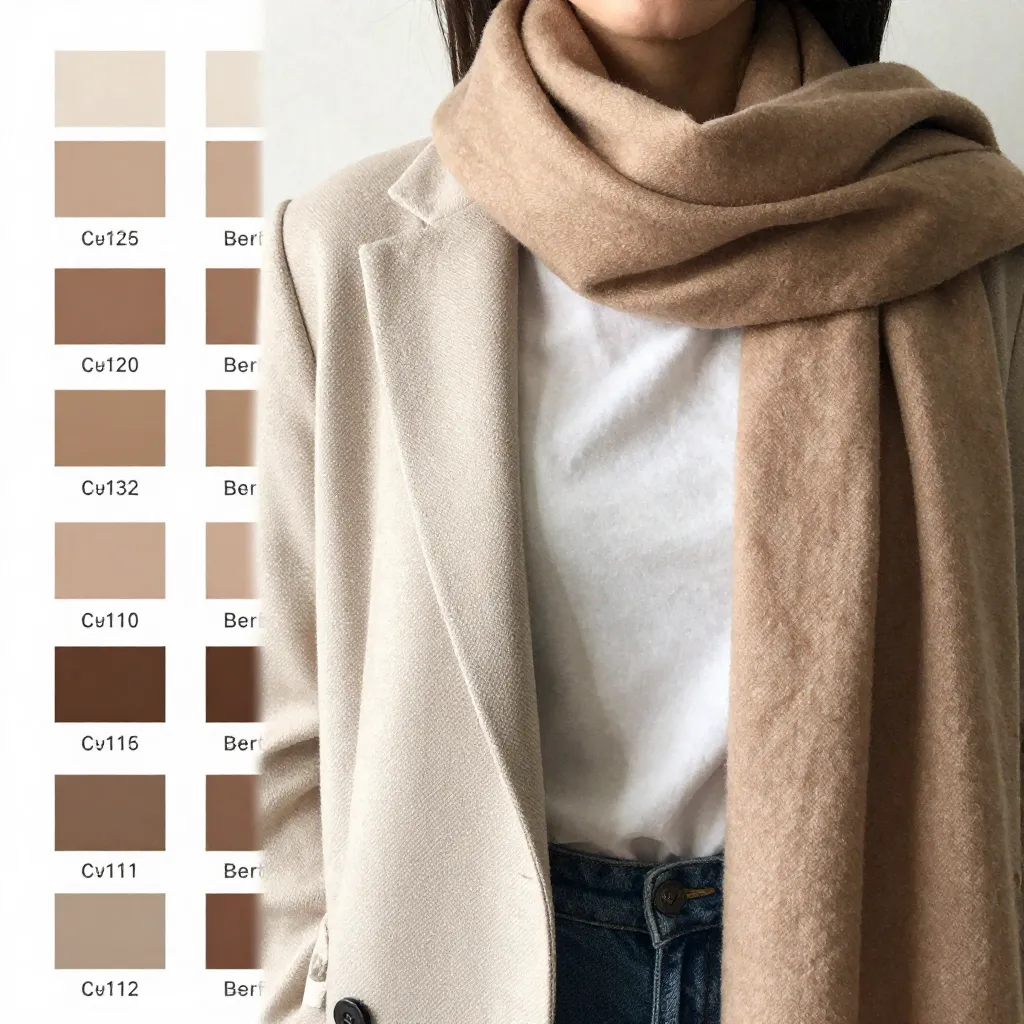
Color analysis operates on three fundamental dimensions: hue (the color itself), value (lightness or darkness), and chroma (saturation or intensity). Understanding how these dimensions interact with your natural coloring forms the foundation of effective styling.
Each person has a unique combination of skin undertones, hair color, and eye color that responds differently to various hues, values, and chroma levels.
Interactive Color Space
Explore Your Color Palette
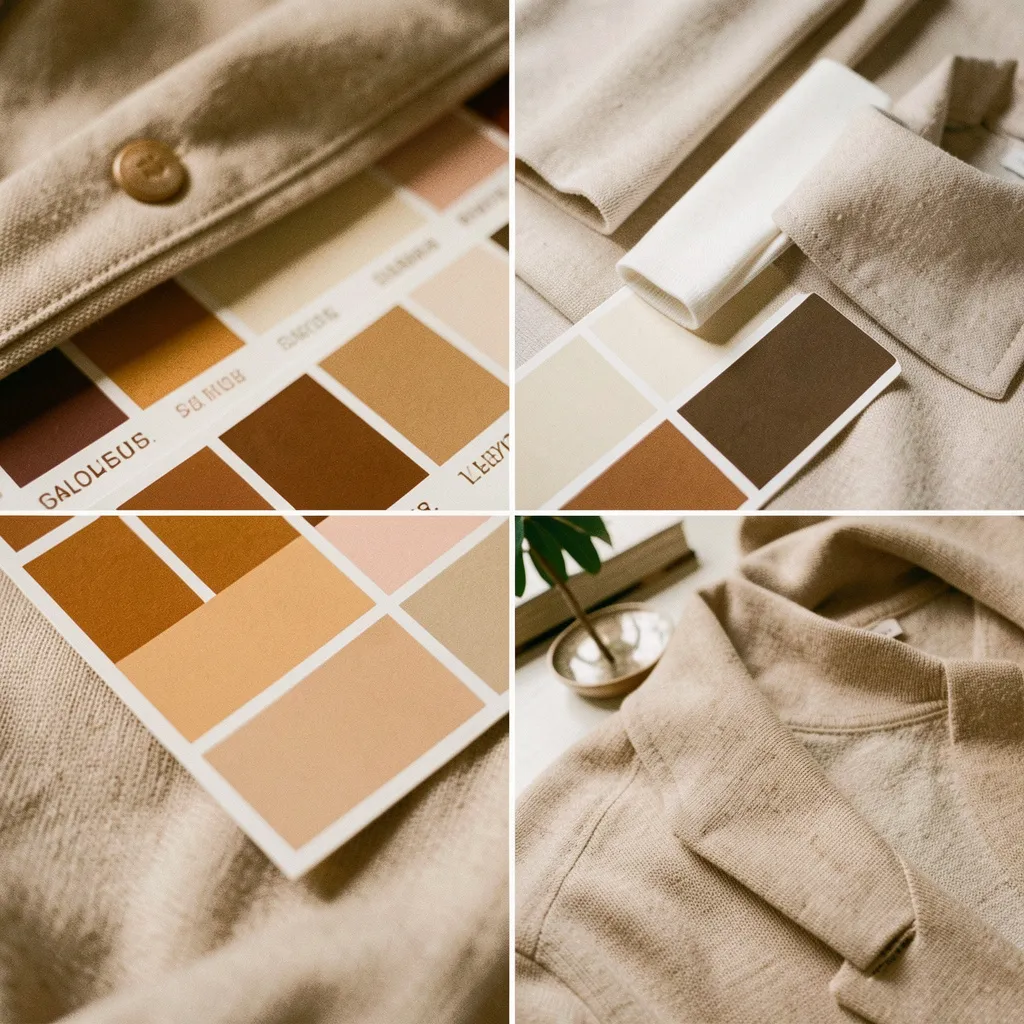
Use the interactive color space below to understand how different color combinations work with various undertones. This tool demonstrates the relationship between color properties and visual harmony.
Skin Undertone Analysis
Warm Undertones
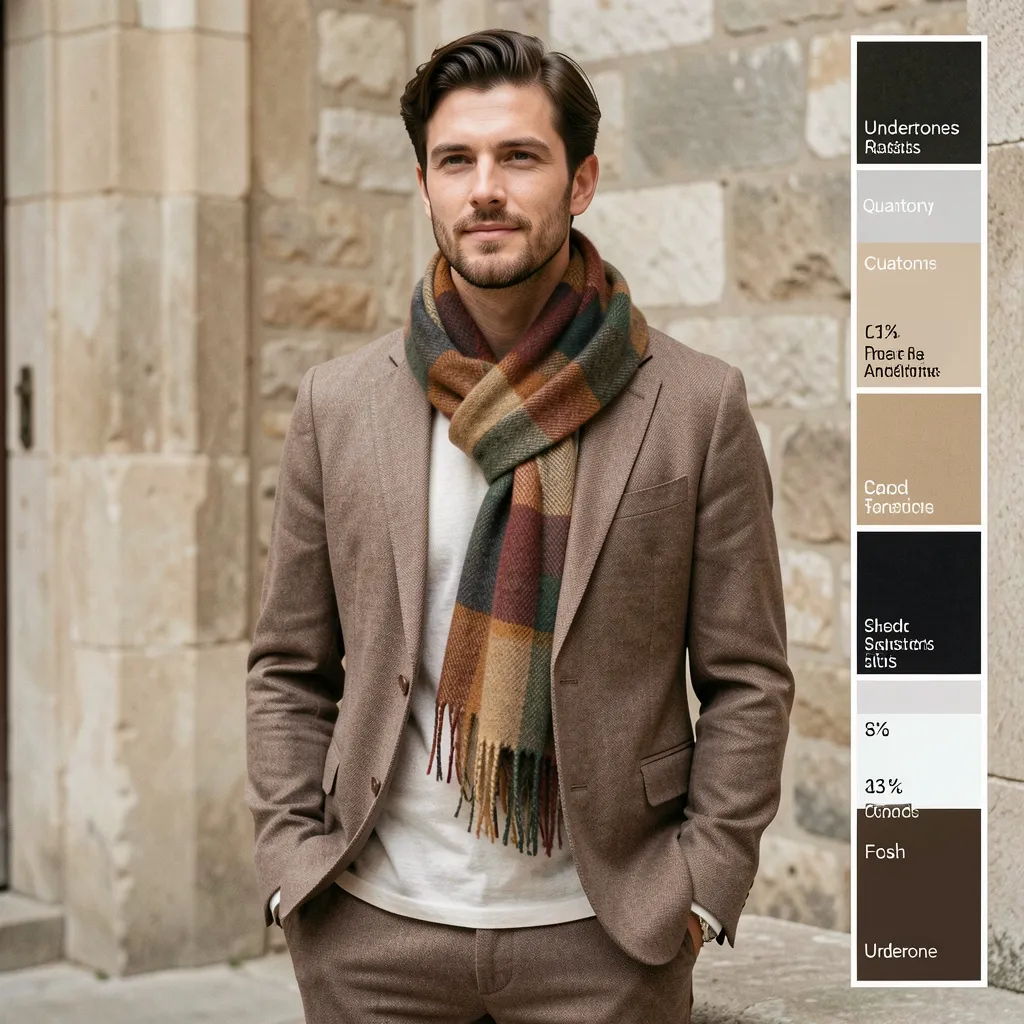
Individuals with warm undertones typically have golden, peachy, or olive skin. Colors with yellow or orange bases tend to complement these undertones, creating a harmonious appearance.

Cool Undertones
Cool undertones are characterized by pink, red, or bluish skin. Colors with blue or purple bases work well with these undertones, enhancing the natural coloring.
Neutral Undertones
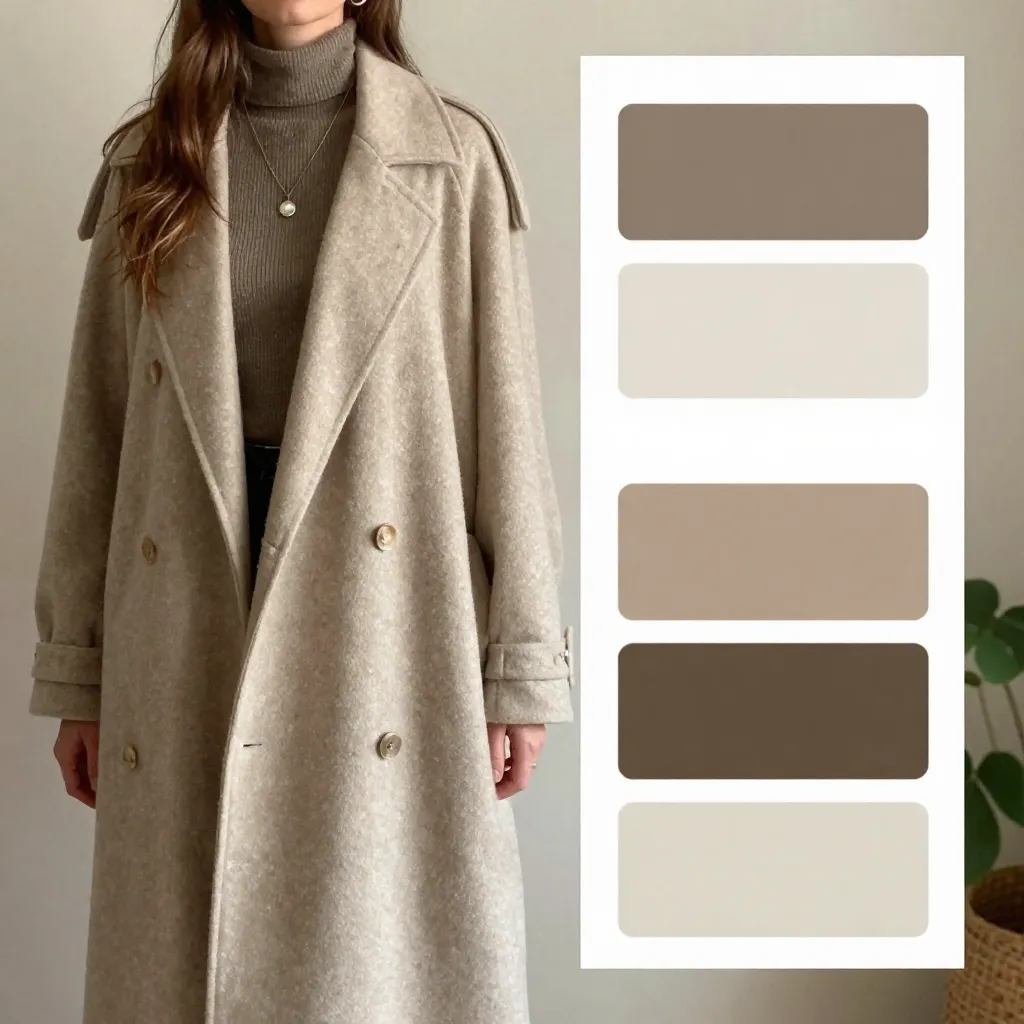
Neutral undertones have a balance of warm and cool tones. These individuals can typically wear a wider range of colors, though some hues may still be more flattering than others.
Optical Principles in Styling

Light and Color Interaction
Colors interact with light in ways that can enhance or diminish facial features. Understanding these optical principles helps in selecting clothing that creates the desired visual effect.
For example, certain colors can make features appear more defined, while others can create a softer, more blended appearance. The goal is to use color strategically to achieve balance and harmony.
Learn MorePractical Color Application
Building Your Color Palette
Once you understand your undertones and how colors interact with your natural coloring, you can build a cohesive color palette for your wardrobe. This palette serves as a guide for selecting clothing, accessories, and makeup that work harmoniously together.
A well-constructed color palette ensures that pieces in your wardrobe can be mixed and matched while maintaining visual coherence. This approach simplifies decision-making and helps create a more intentional, curated wardrobe.